
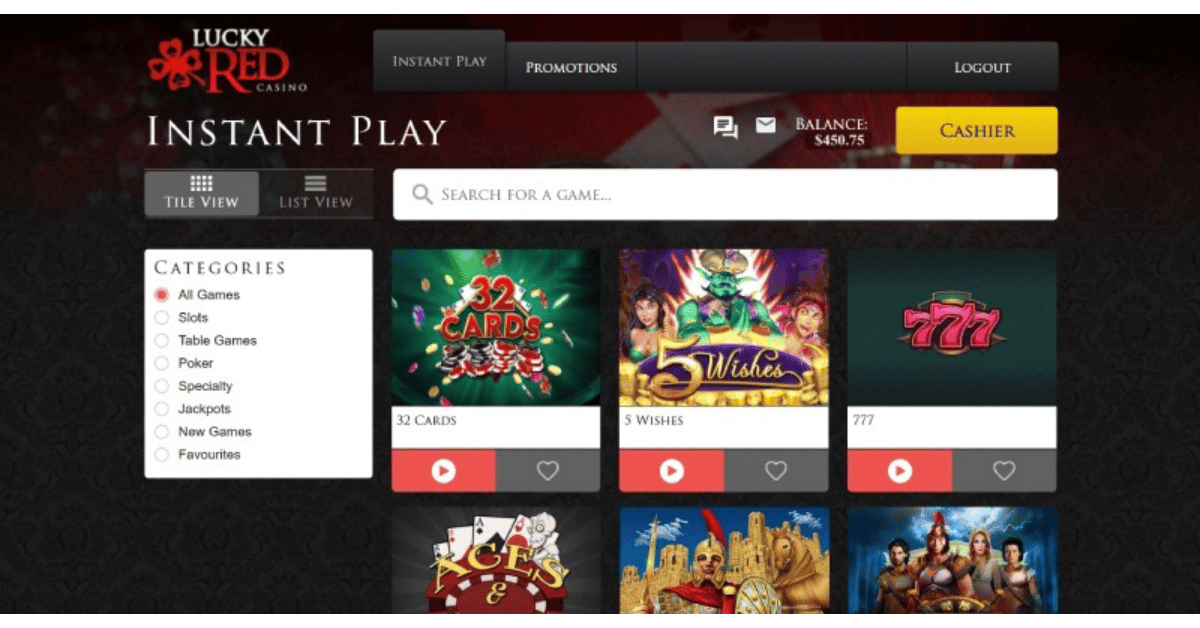
Many online casinos merely dump hundreds of slots onto a page and call it a day. Spingranny Casino slot online slots does the opposite. The platform has developed a classification system that seems less like a database and more like a well-curated record store, where every section serves a purpose. The moment you land on the page, the layout is logical. Categories aren’t just labels; they’re pathways. Filters don’t just narrow things down; they foresee what you actually want. This piece walks through how the library is structured, from its broad genre buckets down to the tiny tagging decisions that keep decision fatigue at bay and make discovering something new be like a small victory.
Studio-Driven Curation and Boutique Studios
The developer ecosystem represents another pillar. Spingranny slots views studios as separate design philosophies, not just suppliers. Offerings are categorized by provider, with curated spotlight collections that map a studio’s design evolution over time. A player can explore Pragmatic Play’s or NetEnt’s chronological progression, seeing how visual language and bonus mechanics matured. A dedicated Boutique Corner elevates smaller, independent studios that advance artistic boundaries, giving them space separate from the commercial mainstream. This prevents niche, art-house slots from being overwhelmed by blockbusters and signals that creative diversity counts as much as commercial performance.
Tier-One Powerhouse Collections
Industry Giants and Their Defining Characteristics
The top-tier provider section operates as a hall of fame, showing heavyweight portfolios in a polished, authoritative layout. Here, organisation moves from mechanics to each developer’s unique house style, grouping titles by shared sound design philosophy or recurring math signature. Metadata tags highlight trademark features, like a particular gamble option or free-spins retrigger behaviour, enabling connoisseurs deep-dive into a single studio’s ecosystem. This honors fierce brand loyalty, not just to a theme, but to the tactile reel spin and distinct bonus round pacing of a specific coder. It offers a boutique experience inside a massive library.
Live-Spin Data and Social Evidence Integration
Within powerhouse collections, live-spin data and social proof add a dynamic layer. The interface surfaces recent big-win snapshots and trending titles in a provider’s section, building a living history. Games are structured by current community activity, so a player views not just a studio’s portfolio but what the community is actively playing and winning on right now. This blend of static curation and dynamic social data allows historical importance meet the urgent pulse of the present, directing players toward hot machines without misleading gimmicks. The catalogue turns into a vibrant, real-time community hub.
Category-Driven Segmentation and Subject Clusters
The library’s skeleton is constructed on genre segmentation that extends beyond the basic classic-versus-video split. Spingranny slots breaks its collection into thematic clusters connected to emotional triggers, so you can see what you want at a glance. These clusters are not fixed categories. A mythology game could also appear in a high-volatility grouping. Visual cues rely on colour psychology and iconography to establish a subconscious navigation map, which speeds up browsing considerably. The idea here is that players often choose by mood as much as by mechanics. A thumbnail’s emotional attraction and its category placement carry equal weight as the RTP percentage stored in the info panel.
Myths and Antique Cultures
Deities, Sagas, and Heroic Accounts
The mythology wing is dense and visually striking, pulling players into worlds ruled by Greek, Norse, and Egyptian gods. Spingranny slots sorts these titles by narrative scale. Epic sagas about world-shattering deities reside in one visual row; grounded heroic tales fill another. Gold leaf textures and monumental stone aesthetics create a unified signal that communicates “legendary stakes” without a single word. A player who loves Zeus’s lightning-bolt mechanics can instantly spot a Thor equivalent, which minimizes the mental effort of searching for something mechanically similar but thematically fresh.
Ancient Relics and Vanished Lands
Adjacent to the top-tier narratives is a subsection dedicated to archaeological digs and lost civilizations. Here the emphasis shifts from divine power to human discovery. The categorization logic underscores mystery and the thrill of unearthing things, grouping titles with cascading reels that uncover hidden relics or expanding maps. Tagging makes sure an Aztec gold game doesn’t get lost into the broader mythology section. It ends up exactly where the explorer archetype expects to find it. This level of detail avoids thematic fatigue. A player can pivot from controlling a thunder god to stepping into a fedora-wearing adventurer’s shoes while staying inside the historical fantasy zone, maintaining the mood intact but changing the mechanical flavour.
Fruit Symbols, Retro Titles, and Nostalgic Atmosphere
Revamped One-Armed Bandits
For the purists who want sevens, cherries, and bells, Spingranny slots dedicates a uncluttered, no-frills section that celebrates mechanical reel tradition with modern math models underneath. The layout keeps deliberately flat. No sensory overload, just simple presentation that mirrors the gameplay itself. A subtle secondary filter divides true flat-top classics from retro-remix titles that sneak bonus wheels or respins under a vintage skin. That difference keeps someone hunting for true, distraction-free spinning from accidentally launching a feature-packed game dressed as a classic fruit machine. It preserves the taxonomy honest and preserves trust. The purist’s need for clarity gets the regard it deserves.
Neon Aesthetics and Synthwave Comebacks
Diverging off from the classic roots, the neon and synthwave revival group pulses with electric energy, showing the library understands generational taste differences. This segment groups games by audio-visual characteristic (retrowave soundtracks, grids drenched in cyan and magenta) rather than math models. For a certain demographic, a Miami sunset over a digital grid is the primary hook, overriding genre boundaries entirely. Isolating these visually aggressive titles keeps them from clashing with the muted classic fruit section. Each aesthetic tribe gets a uncluttered, uninterrupted browsing corridor customized to sensory preferences. The zoning enables every style flourish on its own terms.
Calendar-Based Rotations and Event-Driven Shelving
The library breathes with the calendar, employing a seasonal rotation system that maintains the interface https://en.wikipedia.org/wiki/American_Dad! fresh. Event-driven shelving places thematic collections to the front based on holidays, seasonal changes, and major cultural events. In winter, a Cozy Cabin collection aggregates games with roaring fires, snowflakes, and warm palettes. A summer solstice moves beach-party and tropical fruit titles to the front. This temporal organisation connects with the player’s real-world environment, crafting a synchronized experience that feels eerily relevant. It shows a curatorial team engaged with the rhythm of the year rather than running on autopilot.
Festive Micro-Libraries
Fright Season and Christmas Cheer
The Halloween and Christmas micro-libraries are the peak of temporal curation, coming alive with theatrical detail. In October, a Haunted Hallway of horror slots is sorted by scare intensity, from cute ghosts to macabre gothic horror, acknowledging each player’s fright tolerance. The December shelf is a hygge masterclass, grouping slots by gift imagery, sleigh bell soundtracks, and generous bonus features that mirror the spirit of giving. These hubs are temporary architectural wings that reshape the visual landscape, proving the library’s organisation is a fluid, narrative-driven art project as much as a technical database.
Competition-Linked Game Sets
Event-driven organisation applies to tournaments, with real-time groupings that group games participating in an active leaderboard race. This touch removes the friction of cross-referencing promotions with the lobby. Players join the Current Battlegrounds cluster and see only the games where their spins count toward prizes, ranked by current position. The shelf collapses when the tournament ends, stopping dead-link clutter and ensuring the library reflects the most actionable, profitable path, boosting urgency and opportunity. Dynamic clustering turns competition into seamless navigation.
Volatility and Bankroll Management Sections
One player-centric innovation is explicit volatility zoning that approaches bankroll management as a strategic right, not an afterthought. Games are divided into clearly signposted volatility zones with subtle gradients beyond a vague “medium.” The low-volatility zone, dubbed the Marathon Runner, fits extended sessions with minimal balance swings. The high-volatility High Adrenaline badge warns of long dry spells and explosive peaks. This zoning functions as a responsible gaming tool, making sure a casual player with a modest deposit doesn’t accidentally fall into a max-variance monster that could empty their balance in ten spins.
Max Win Potential and Jackpot Levels
Set Jackpots Versus Progressive Funds
The jackpot section is structured with forensic precision, creating a hard line between fixed-max-win titles and inflating progressive pools that can attain life-changing sums. Distinct visual containers make sure a player hunting a 5,000x cap isn’t distracted by a seven-figure progressive ticker. The progressive subsection is further stratified by network size: local in-house progressives that pay more frequently versus massive wide-area networks with longer odds but astronomical rewards. This tiered organization caters to the player base’s mathematical literacy, supplying data to weigh payout probability against reward scale before a single spin.
High-Limit and High-Stakes Categorization
For high-rollers, a dedicated high-stakes sorting parameter sorts by max bet limits and premium symbol values. This zone stays hidden from default views to avoid overwhelming casual players, yet is instantly accessible to those who know where to look, building a VIP corridor. Organization prioritises efficiency and prestige, stripping away cartoonish mascots for sleek, minimalist interfaces that emphasize maximum exposure per spin. Separating these high-octane instruments ensures a VIP’s need for substantial wagering thresholds is satisfied without manually checking every paytable, saving time and maintaining exclusivity. This exclusive lane enables rapid deployment of serious bankrolls.
Search Capabilities and Predictive Text Algorithms
The manual browsing structures are robust, but the actual standout is the integrated search capability, working like a stock exchange terminal. The search bar goes beyond simple keyword matching. It’s a prediction engine that grasps synonyms, typical errors, and thematic descriptors. Typing “Egypt” shows not just named titles but games tagged with “pharaoh,” “scarab,” or “pyramid.” The algorithm also adapts from collective behaviour. If a game is commonly queried after another, it recommends it as a “players also viewed” result. This adaptive process enhances searchability with every query, gently letting the community shape sorting logic over time.
Filter Persistence and Individual Lobby Settings
Persistent User Preferences
A nuanced but powerful feature is the filter memory system, which preserves a player’s sorting preferences across sessions without a full user login. If a user consistently filters by High Volatility and orders by Newest First, the lobby tailors its default view to mirror these habits, creating a personalized state. This subtle adaptation preserves privacy while eliminating repeated filter re-application, making the library feel familiar for veterans yet vast for newcomers. The system strikes a balance between a directed experience and an endless playground of discovery, tailoring its structure to personal usage habits.
Played Recently and Resume Sliders
Positioning Recently Played and Resume carousels at the top highlights session continuity above all else. Spingranny slots understands the most important game is the one you just played, so it dedicates prime screen space to a horizontal strip that reduces re-entry time. The carousel is not a basic history. It’s a intelligent component showing exact bet level and bonus-round progress where applicable. By setting this utilitarian shelf above eye-catching new game ads, the platform indicates that the player’s ongoing journey takes priority over promotional agendas, a player-centric approach that fosters deep, lasting trust.
The Philosophical Backbone of Title Curation
Spingranny slots has no appetite for the warehouse approach. The team behind the curation handles the library like a living thing, combining the comfort of familiar titles with the pull of something you haven’t tried yet. The rule is simple: a player should never need more than three clicks to go from a broad category to a specific game. That principle influences everything, from where the search bar sits to how thematic collections are layered. The platform examines user flow heatmaps to spot natural behaviour patterns, then builds navigation paths that feel almost telepathic. It understands whether you’re in the mood for high-volatility chaos or a slow-burn narrative session before you’ve even articulated it yourself. Browsing is no longer a chore and starts feeling like the platform is reading your mind.
Mechanics-Led Filtering Architectures
Outside of themes and visuals, the library’s real depth shows up in its mechanics-led filtering architecture, designed for the mathematically inclined. Gamers can organize the entire catalogue by volatility rating, hit frequency, and bonus buy availability, dissecting titles down to their algorithmic bones. The interface converts complex stats into visual meters. You can immediately tell a high-variance, infrequent-payday monster from a low-variance grinder. Blind choice transforms into an informed strategic decision. Players can match a game’s mathematical personality to their bankroll and risk tolerance in seconds. These tools transform the library from a simple list into a precision instrument.

Megaways Games and Dynamic Payline Engines
The Allure of Variable Reel Structures
The Megaways category is located in a high-traffic spot, which makes sense given the demand for reel structures that change winning ways on every spin. Slots are organised by maximum ways, from a modest 15,625 to an astounding 117,649 and beyond, creating a ladder of escalating chaos. The grouping also divides licensed Big Time Gaming engines from inspired clones with distinct math flavours. This precision avoids the frustration of a player expecting an authentic Megaways cascade and landing on a look-alike without the real reel-weight distribution. The taxonomy stays perfectly aligned with what players actually expect.
Tumbling Reels and Chain Reactions
Closely related, the cascading reels cluster collects games where https://tracxn.com/d/companies/casino-us/__8xuvipE8UHnoMA3lE8laBBqgKFHm00mNP4DXDFyYlBE winning symbols vanish and new ones tumble down, regardless of Megaways branding. Organization keys on chain-reaction potential, grouping by how progressive multipliers increase with successive tumbles. The multiplier ceiling becomes a sort parameter, letting adrenaline-seekers instantly find games where a single spin can erupt into a screen-clearing cascade. This hyper-specific grouping values the player’s time. Tumble fans never have to sift through static payline slots to find their next fix. It’s a dedicated haven for avalanche wins and multiplying madness.