
The Psychology of Reward and Reinforcement
One of the fundamental aspects of player psychology in casinos is the principles of reward and reinforcement. Players are often motivated to engage in games due to the thrill of winning, which releases dopamine, a neurotransmitter associated with pleasure and satisfaction. This biochemical reaction reinforces the behavior, encouraging players to continue playing in hopes of experiencing that high again. Additionally, some players choose to explore the best nongamstop casinos uk for a wider variety of gaming options that can enhance their experience further. Casinos strategically design their games to create a cycle where even small wins lead to a feeling of accomplishment, prompting players to keep playing longer than they initially intended.
This reinforcement is not solely based on the amount won but also on the frequency of wins. Games that provide near-misses or frequent small payouts can keep players engaged longer, as they feel they are on the cusp of a bigger win. For instance, slot machines often employ these mechanisms; even unsuccessful spins can leave players feeling hopeful and motivated to keep pressing the button. This psychological engagement helps to cultivate a sense of ongoing excitement, making it less likely for players to leave after a few rounds.
Moreover, the design of games and casino spaces themselves further amplifies this psychological engagement. Game developers often use bright lights, sounds, and enticing graphics to create an immersive experience that captivates players. This sensory immersion can manipulate emotions and heighten anticipation, making it difficult for players to step away from the game. Casinos capitalize on this psychological thrill, ensuring that their environments are conducive to extended play, effectively leveraging human psychology to enhance player interaction and profitability.
The Illusion of Control
Another critical component of player psychology is the illusion of control, which refers to the belief that players can influence their chances of winning despite the inherent randomness of casino games. This misconception often leads players to believe that their decisions can have a significant impact on the outcome of games, such as in games like blackjack or poker. Players may develop strategies or rituals that they feel enhance their odds of winning, which feeds into their ongoing engagement with the games, creating a cycle of repeated play.
The illusion of control is particularly evident in games that involve an element of skill, even if the randomness of the game ultimately dictates the outcome. For example, while poker requires a certain level of skill and strategy, the element of chance can overshadow player skill in a single hand. Nevertheless, players often believe that their choices in gameplay can sway the odds in their favor, motivating them to continue playing. This psychological phenomenon not only supports player interest but also increases the time and money spent in casinos.

Casinos exploit this by providing environments where players can engage in social interactions, share strategies, and exchange experiences. This social aspect reinforces the illusion of control, as players discuss their perceived successes and techniques. Casino operators design their venues to facilitate this community atmosphere, knowing that social interactions can enhance the overall gaming experience. As players rally around shared beliefs in their abilities, their attachment to the games deepens, further solidifying their loyalty and increasing their expenditures.
The Impact of Loss Aversion
Loss aversion is a psychological phenomenon wherein individuals prefer avoiding losses rather than acquiring equivalent gains. This is particularly relevant in casino environments, where the fear of losing can significantly drive player behavior. Casinos are aware that players are often more motivated to recover losses than to pursue wins. This understanding shapes the design of gaming experiences, encouraging players to continue beyond their initial budget in hopes of reversing their fortunes.
The scenario of a player who has lost a significant amount of money while gambling illustrates this point. Instead of exiting the casino, this player may feel compelled to gamble even more to recoup those losses. This situation highlights the power of loss aversion, where the prospect of losing a significant amount outweighs the rational decision to walk away. Casinos purposely structure promotions and loyalty programs to appeal to this tendency, ensuring that players feel they are receiving value even when experiencing losses.
Additionally, casinos enhance the psychological impact of loss aversion through clever marketing strategies that promote “comebacks” or “redemption” narratives, appealing to players’ emotions. By framing losses as temporary setbacks rather than definitive ends, casinos instill a sense of hope among their players, prompting them to remain in games much longer than they might have originally planned. This manipulation of loss aversion and hope contributes significantly to player engagement and overall casino revenue.
The Role of Environment and Atmosphere
The physical layout and ambiance of a casino play a substantial role in shaping player psychology. Casinos are designed to create an inviting, exciting atmosphere that promotes extended play. The layout is typically structured without clear exits, which can psychologically reinforce the idea of staying longer. Moreover, elements like sound, lighting, and even scent are employed to evoke certain emotional responses, encouraging players to immerse themselves fully in the gaming experience and lose track of time.
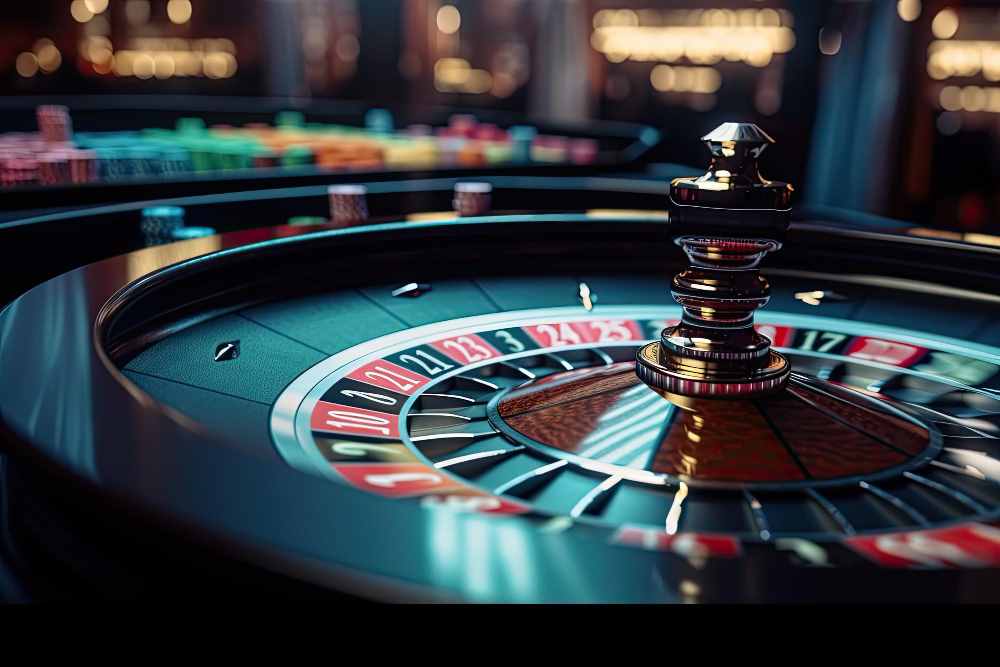
For example, research has shown that controlling noise levels and playing upbeat, energizing music can elevate players’ moods, making them more inclined to gamble. The strategic placement of popular games in high-traffic areas, combined with attractive decor, creates an environment that is not only visually appealing but also psychologically stimulating. This carefully curated atmosphere keeps players engaged and eager to participate, thereby maximizing the casino’s revenue potential and enhancing the overall player experience.
Furthermore, the absence of clocks and windows in many casinos manipulates a player’s perception of time. This design choice induces a sense of timelessness, making it easy for players to lose track of their spending and the hours they invest in gambling. By fostering an environment that encapsulates players in a world devoid of outside time constraints, casinos ensure that they remain the focal point of players’ nights, further enhancing the potential for financial gain and sustained engagement.
Your Ultimate Gaming Experience Awaits
Understanding the psychological drivers of player engagement is crucial for both casinos and players alike. The intricate balance of reward systems, illusion of control, and cleverly designed gaming environments culminate in an experience tailored to captivate players. By recognizing these psychological components, players can make more informed decisions about their gambling habits and develop strategies to mitigate the risks associated with casino gaming, thus promoting responsible gambling practices.
Moreover, choosing the right gaming venue is essential for a positive experience. Casinos that prioritize responsible gaming, transparency, and player education enhance their reputations while promoting healthier gambling practices. As players navigate the world of casinos, being aware of these psychological factors empowers them to enjoy their gaming experiences while minimizing potential negative impacts. Ultimately, understanding the underlying psychological principles can lead to a more enjoyable and sustainable gaming experience.
In conclusion, the interplay between player psychology and casino design is a sophisticated dance that enhances the appeal of gambling. By leveraging concepts such as reward reinforcement, the illusion of control, and loss aversion, casinos create environments that not only attract players but also encourage prolonged engagement. Recognizing these psychological tactics allows players to approach their gaming experiences with a more discerning perspective, fostering a balance between enjoyment and responsibility. The more players understand the psychology behind their engagement, the better equipped they are to navigate the exhilarating yet challenging world of casinos.